


Property Tips in Bali
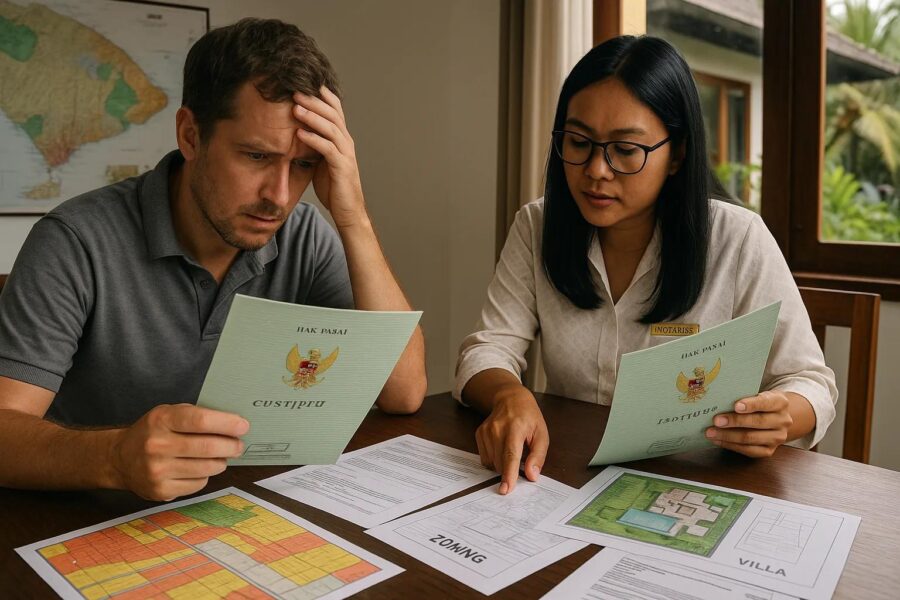
Buying, owning, or investing in property in Bali can be an exciting opportunity, but making the right decision requires careful research and preparation. From choosing the right location to reviewing legal documents and calculating the total cost, every decision can influence the long-term value and usability of a property.
Bali offers a wide variety of property options, including private villas, residential houses, land, apartments, and commercial properties. Each option comes with different considerations, depending on your objectives, budget, ownership structure, and intended use.
Whether you are a first-time buyer, an experienced investor, a landowner, or someone planning to build a villa, these practical property tips can help you make more informed decisions.
1. Define Your Property Goals Before You Start
Before searching for a property, establish what you want to achieve.
Are you looking for a home in Bali, a holiday villa, a rental investment, a plot of land for future development, or a commercial property for your business?
Your objective will influence your location, budget, property type, and evaluation criteria.
For example:
- Personal residence: Prioritize comfort, accessibility, privacy, and proximity to everyday amenities.
- Holiday villa: Consider layout, outdoor living, maintenance, and the intended use of the property.
- Rental investment: Evaluate realistic rental demand, operating costs, management requirements, and legal suitability.
- Land acquisition: Focus on land rights, zoning, access, site conditions, and development feasibility.
- Commercial property: Assess accessibility, permitted use, customer demand, and operational requirements.
A clear objective helps narrow your options and reduces the risk of purchasing a property that does not meet your actual needs.
2. Choose the Right Location in Bali
Location is one of the most important factors in property selection. Different areas of Bali offer different lifestyles, property types, price ranges, and investment considerations.
Canggu and Berawa
These areas are known for their lifestyle destinations, cafes, restaurants, and established visitor appeal. Buyers may consider them for residential villas or rental-oriented properties.
However, evaluate traffic, access, surrounding development, privacy, and the level of competition among comparable properties.
Uluwatu and the Bukit Peninsula
Parts of the Bukit Peninsula attract buyers interested in coastal scenery, villa developments, and lifestyle properties.
Before buying, examine road access, topography, water supply, drainage, cliff or slope conditions where relevant, and the permitted use of the land.
Jimbaran and Nusa Dua
These areas offer a mix of residential neighborhoods, established tourism facilities, and commercial or hospitality-related locations.
Consider whether the specific neighborhood matches your objectives, including accessibility, amenities, building requirements, and long-term usability.
Ubud
Ubud appeals to buyers interested in greenery, culture, wellness, and a different lifestyle from Bali’s coastal areas.
Properties outside established urban areas may require additional checks on access, infrastructure, drainage, environmental constraints, and the suitability of the intended use.
Tabanan and Mengwi
These areas may offer opportunities for buyers looking beyond some of Bali’s more established coastal property markets.
However, a lower asking price does not automatically mean better value. Check permitted land use, access, infrastructure, demand, and the feasibility of any proposed development.
Property tip: Do not choose an area based on popularity alone. Visit the specific location, examine the surrounding environment, and compare it with your intended use and budget.
3. Verify the Legal Status of the Property
One of the most important steps when buying property in Bali is checking the legal status of the land or building.
Do not rely solely on a listing, verbal explanation, or document provided by the seller. The property’s rights, ownership records, boundaries, and relevant restrictions should be independently reviewed.
Depending on the transaction, checks may include:
- The applicable land certificate or other evidence of rights.
- The identity and authority of the seller.
- Land boundaries and measurements.
- Existing mortgages, encumbrances, or disputes.
- Access rights and any relevant easements.
- Existing lease agreements or third-party rights.
- Applicable planning and building documentation.
- Conditions affecting transfer or use of the property.
A qualified Indonesian notary/PPAT or legal adviser can help verify the relevant records and identify issues that need to be resolved.
Understand freehold and leasehold arrangements
Property advertisements in Bali may describe properties as freehold or leasehold, but these terms should not replace a careful review of the actual legal rights.
A freehold property commonly refers to land held under Hak Milik, while leasehold arrangements grant contractual rights for a defined period under the relevant agreement. Other land rights may apply depending on the circumstances.
The rights, restrictions, transfer procedures, and renewal provisions differ. For leasehold properties, review the remaining term, extension clauses, transfer conditions, permitted use, and the rights and responsibilities of the parties.
Foreign buyers must also understand that eligibility to acquire property rights in Indonesia depends on the applicable legal framework. Do not assume that a foreign buyer can directly hold Hak Milik simply because a property is advertised for sale.
Government Regulation No. 18 of 2021 is one of the relevant regulations concerning land rights and property-related legal arrangements in Indonesia. Obtain advice based on the buyer’s circumstances and the specific transaction. Official regulation reference.
4. Check Zoning and Permitted Land Use
A property’s location and legal rights do not automatically establish that every proposed activity is permitted.
Before purchasing land or a building, verify the applicable spatial planning rules and the intended use of the property.
For example, a buyer planning to develop villas or commercial accommodation should confirm whether the proposed use is permitted and what approvals may be required.
Check relevant matters such as:
- Applicable zoning and spatial planning provisions.
- Permitted building functions and land use.
- Building approval requirements, including PBG where applicable.
- Building functionality requirements, including SLF where applicable.
- Environmental and infrastructure requirements.
- Additional approvals or licenses for the intended business activity.
Do not assume that an existing building, neighboring development, or seller’s assurance proves that your intended project is allowed.
For development land, planning checks should take place before committing to the purchase, not after construction plans have been finalized.
5. Calculate the Total Cost of Buying Property
The advertised selling price is only one component of the total acquisition cost.
Before making an offer, prepare a budget that accounts for the costs applicable to your transaction.
Potential expenses include:
- The purchase price.
- Applicable acquisition taxes.
- Notary/PPAT and legal fees.
- Due diligence and technical inspections.
- Financing costs, where relevant.
- Renovation or repair expenses.
- Furnishing and equipment.
- Ongoing property taxes, maintenance, and management.
- Other contractual or transaction-specific costs.
The applicable taxes and fees depend on the property rights, parties, transaction structure, and current regulations. Confirm the amounts with qualified professionals.
It is also wise to keep a financial reserve for unexpected repairs or expenses after completion.
Property tip: Establish your maximum total budget before viewing properties. This helps you compare options based on their real financial requirements rather than their advertised prices alone.
6. Inspect the Property in Person
Photographs and videos are useful for screening properties, but they cannot replace an inspection.
Visit the property and assess its physical condition, surrounding environment, access, and practical suitability.
For villas and houses, inspect:
- Roof condition and signs of water leakage.
- Walls, ceilings, and visible cracks.
- Bathrooms and waterproofing-related issues.
- Plumbing and water pressure.
- Electrical installations.
- Doors, windows, and ventilation.
- Swimming pool systems, where applicable.
- Drainage and signs of flooding.
- Access roads and parking.
- Visible defects and maintenance requirements.
For land, examine access, boundaries, slope, drainage, site levels, utilities, and nearby development.
For a significant purchase, consider appointing an independent building inspector, engineer, surveyor, or other relevant specialist.
A property that looks attractive may still require substantial repairs or technical improvements. Understanding these issues before purchase can improve your negotiating position and help you plan your budget.
7. Evaluate Investment Potential Realistically
If you are purchasing property as an investment, evaluate the financial fundamentals rather than relying on promotional claims.
A property may have an attractive design and location but still underperform if its acquisition cost, operating expenses, or management requirements are too high.
Consider the following:
- Purchase price and total acquisition costs.
- Comparable rental properties and realistic rates.
- Seasonal demand and potential occupancy fluctuations.
- Property management and marketing fees.
- Cleaning, utilities, maintenance, and repairs.
- Insurance and applicable taxes.
- Furniture replacement and periodic refurbishment.
- Financing costs, if applicable.
- Legal suitability for the intended rental or business activity.
Understand gross and net rental yield
Gross rental yield provides an initial indication of potential rental income relative to the acquisition cost.
Gross rental yield = Annual gross rental income ÷ Total acquisition cost × 100%
Net operating yield provides a more realistic view of the income remaining after relevant operating expenses.
Net operating yield = Annual net operating income ÷ Total acquisition cost × 100%
For example, if a property costs IDR 3 billion in total to acquire and generates IDR 240 million in annual gross rental income, the gross rental yield is 8%.
If annual operating expenses total IDR 90 million, the remaining operating income is IDR 150 million, equivalent to a 5% net operating yield before financing costs and other items not included in the calculation.
This is a hypothetical example, not a forecast for any particular property in Bali. Actual results may differ significantly.
8. Understand the Difference Between Asking Price and Market Value
A property’s advertised price is not necessarily its market value or the price it will ultimately achieve in a transaction.
Compare similar properties in the same location and consider differences in land size, building size, condition, legal status, facilities, and surrounding development.
Where reliable information is available, review evidence of completed transactions rather than relying exclusively on advertised prices.
For investment properties, compare not only the purchase price but also the potential operating costs and expected financial performance.
If you are uncertain about the appropriate price, consider obtaining an independent valuation or professional market assessment.
Property tip: A property is not automatically a good deal because the seller has reduced the asking price. It must still suit your objectives and represent reasonable value after accounting for its legal status, condition, and costs.
9. Be Careful With Off-Plan Property Purchases
Off-plan property refers to a property purchased before construction is completed, or sometimes before construction has begun.
This approach may offer access to a new development, but it also introduces risks that differ from purchasing a completed property.
Before committing, review:
- The developer’s track record and relevant capabilities.
- Land rights and project documentation.
- Applicable approvals and permits.
- The purchase agreement and payment schedule.
- Construction milestones and completion provisions.
- Specifications and procedures for approving changes.
- Remedies for delays or contractual breaches.
- Handover requirements and defect responsibilities.
- The rights and obligations of each party.
Do not rely solely on architectural renderings or projected completion dates.
Have the agreement reviewed by an independent legal professional, and ensure that payment obligations and contractual protections are clearly understood before signing.
10. Consider Maintenance and Long-Term Ownership Costs
A property requires ongoing care after the purchase is complete.
In Bali, maintenance planning may include managing humidity, drainage, tropical vegetation, waterproofing, swimming pool systems, and equipment exposed to frequent use or weather.
Depending on the property, consider the expected costs of:
- Routine cleaning and housekeeping.
- Garden and pool maintenance.
- Pest prevention and control.
- Plumbing and electrical repairs.
- Waterproofing and roof maintenance.
- Air-conditioning servicing.
- Painting and replacement of finishes.
- Property management, if outsourced.
- Periodic furniture and equipment replacement.
For rental-oriented properties, maintenance also affects guest experience, reviews, and operational continuity.
Before buying, ask whether the building has a documented maintenance history and whether specialist systems can be serviced locally.
A property that is inexpensive to acquire may require higher ongoing expenditure than a more expensive but better-maintained alternative.
11. Work With Qualified Property Professionals
Professional advice can help you evaluate a property more thoroughly and manage a transaction more effectively.
Depending on your needs, the relevant team may include:
- A property agent to assist with property searches and negotiations.
- A notary/PPAT or legal adviser for legal due diligence and transaction documentation.
- A tax professional to assess applicable taxes and obligations.
- An architect or engineer for design feasibility and building assessments.
- A surveyor to verify measurements and boundaries.
- A qualified contractor for renovation or construction estimates.
- A property manager for ongoing operations.
Before appointing any professional, clarify their scope of work, fees, responsibilities, and the documents or reports they will provide.
Where appropriate, use independent professionals to verify important matters rather than relying exclusively on parties who may have an interest in completing the transaction.
12. Keep Proper Records of the Transaction
Organized documentation makes property ownership easier to manage and can help reduce uncertainty during future sales, lease transfers, renovations, or other transactions.
Keep copies of relevant records, including:
- Purchase or lease agreements.
- Land rights and supporting documents.
- Payment receipts and applicable tax records.
- Notarial deeds and transfer documentation.
- Building approvals and technical records.
- Renovation contracts and invoices.
- Equipment warranties and maintenance records.
- Property management agreements.
- Insurance documentation, where applicable.
Store the records securely and maintain an organized digital copy where appropriate.
If the property is owned through a company or another legal structure, maintain the relevant corporate documents and authorization records as well.
13. Avoid These Common Property Mistakes
Several common mistakes can be avoided with proper preparation.
Rushing into a purchase: Take time to compare alternatives, review documentation, and assess the property.
Ignoring zoning: Confirm the intended use before committing to land or a building.
Underestimating total costs: Budget for taxes, professional fees, repairs, and ongoing expenses.
Relying only on advertised returns: Test rental and resale assumptions using realistic evidence.
Skipping technical inspections: Identify defects and potential repair costs before completion.
Misunderstanding ownership rights: Ensure that the legal structure is appropriate for your circumstances.
Signing unclear agreements: Have the relevant documents reviewed before making binding commitments.
Neglecting future maintenance: Consider long-term upkeep, not just the initial purchase price.
Property Tips Checklist Before You Buy in Bali
Use this checklist when evaluating a property:
-
Define your objectives and total budget.
-
Compare locations and inspect the surrounding area.
-
Verify the seller’s authority and the relevant property rights.
-
Check boundaries, access, encumbrances, and disputes.
-
Confirm zoning and permitted use.
-
Review applicable building and business requirements.
-
Inspect the property and estimate potential repairs.
-
Calculate taxes, fees, and total acquisition costs.
-
Evaluate rental or investment assumptions where relevant.
-
Review the contract with a qualified legal professional.
-
Confirm payment, completion, and handover arrangements.
-
Organize your ownership and property records.
Conclusion: Make Informed Property Decisions in Bali
The best property decisions are based on clear objectives, careful research, verified documentation, realistic financial assumptions, and professional advice when needed.
Whether you are buying a home, purchasing a villa for investment, acquiring land, or planning a development project, taking the time to evaluate the property properly can help you identify risks and make decisions that better match your goals.
There is no single property strategy that suits every buyer. The right choice depends on your circumstances, budget, intended use, and willingness to manage the responsibilities of ownership.
Looking for property opportunities in Bali?
Explore properties and opportunities through Next Property, or contact our team to discuss your requirements and identify options that fit your objectives.
Next Property — Your next property starts here.
Frequently Asked Questions
What should I check before buying property in Bali?
Review the property rights, seller’s authority, zoning, access, building condition, applicable taxes, total acquisition costs, and contractual terms. Seek qualified legal and technical advice where necessary.
Which area in Bali is best for buying property?
There is no single best area for everyone. The right location depends on your budget, lifestyle, intended use, accessibility needs, and investment objectives. Compare specific neighborhoods and properties rather than choosing based on popularity alone.
Is property in Bali a good investment?
A property may suit your investment goals if the purchase price, legal status, operating costs, and realistic demand align with your financial plan. Returns are not guaranteed, so evaluate each property individually.
Can foreigners buy property in Bali?
Foreign nationals may be eligible to acquire certain property rights under Indonesian law, subject to applicable requirements and restrictions. The available structure depends on the buyer’s circumstances and the type of rights involved. Obtain independent legal advice before proceeding.
Is a leasehold property worth considering?
A leasehold property may suit certain buyers, but the value depends on the remaining lease term, contractual protections, extension provisions, transfer conditions, permitted use, and price. Review the agreement carefully before making a decision.
Should I buy a completed villa or an off-plan property?
A completed villa allows you to inspect the actual building, while an off-plan purchase requires careful assessment of the developer, documentation, construction arrangements, payment terms, and contractual protections. The better option depends on your priorities and risk tolerance.
Do I need a property agent when buying in Bali?
An agent may help you identify suitable properties, arrange viewings, obtain information, and negotiate. However, an agent does not replace independent legal, tax, or technical due diligence.
Disclaimer: This article provides general information and is not a substitute for legal, tax, financial, architectural, or engineering advice. Property rights, taxes, permits, and transaction requirements vary according to the circumstances. Verify the relevant requirements with qualified professionals before proceeding.