

Canggu Bali Property Guide
 by admin on October 11, 2026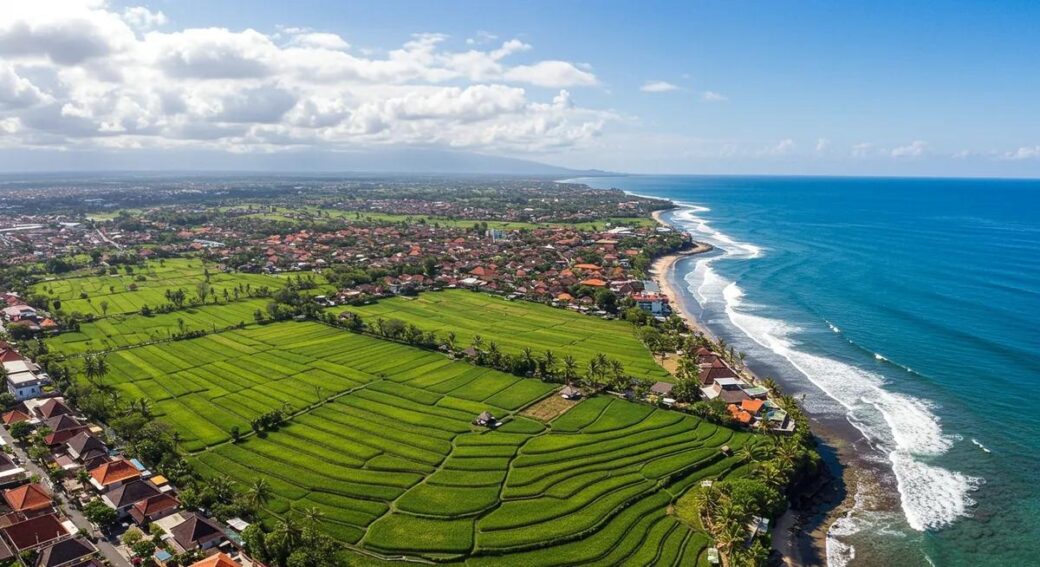
Lifestyle, Areas & Investment Opportunities
Canggu has become one of Bali’s best-known destinations for tropical living, modern villas, lifestyle businesses, and property investment. Its combination of beach culture, cafés, restaurants, wellness facilities, and contemporary residential developments continues to attract visitors, residents, entrepreneurs, and property buyers.
For anyone considering buying property in Bali, Canggu offers a variety of opportunities, from private villas and long-term residences to properties designed for rental accommodation and lifestyle-oriented businesses.
However, choosing the right property requires more than finding an attractive building or a desirable location. Buyers should understand the local property market, ownership arrangements, permitted land use, development conditions, operating costs, and the risks associated with property investment.
In this guide, NEXT PROPERTY explores the character of Canggu, its surrounding neighbourhoods, the types of properties available, and the key considerations for buyers and investors.
1. Understanding Canggu, Bali
Canggu is a popular coastal destination in Bali’s Badung Regency, associated with surfing, cafés, restaurants, creative businesses, wellness activities, and tropical residential living.
The wider Canggu area has experienced significant development over recent years, with a mix of traditional Balinese surroundings, residential neighbourhoods, boutique accommodation, commercial spaces, and modern villas.
Although Canggu is often discussed as one destination, its neighbourhoods have different characteristics. Some are known for their busy lifestyle scenes, while others offer quieter residential environments or access to nearby beaches and commercial facilities.
This diversity makes it important for property buyers to evaluate each location individually rather than treating the entire area as one uniform market.
Why is Canggu popular?
Several factors contribute to Canggu’s appeal:
- Lifestyle and convenience: Cafés, restaurants, fitness studios, wellness facilities, and everyday services attract residents and visitors.
- Coastal attractions: Nearby beaches provide opportunities for surfing, recreation, and hospitality businesses.
- International exposure: Canggu is well known among international visitors, entrepreneurs, remote workers, and lifestyle-oriented travellers.
- Property variety: The area includes private villas, residential developments, land parcels, and commercial properties.
- Business opportunities: Hospitality, food and beverage, wellness, and selected lifestyle services contribute to the local economy.
These characteristics support interest in the area, but they do not guarantee property appreciation, rental demand, or investment returns.
2. The Canggu Property Market
The Canggu property market includes a wide range of assets, from compact villas to larger private residences, land for development, and commercial properties.
Prices can vary substantially depending on location, land size, building quality, legal status, access, facilities, remaining lease term, and the surrounding environment.
Rather than relying on a single average price for Canggu, buyers should compare properties with similar characteristics and verify current asking prices against relevant market evidence.
Types of property in Canggu
Private villas
Villas are popular among buyers seeking a private residence, a second home, or a property that may be suitable for lawful rental operations. Important considerations include construction quality, layout, privacy, maintenance requirements, and operating costs.
Off-plan villas
Off-plan projects may appeal to buyers who prefer a newly developed property or a staged payment structure. However, construction delays, developer performance, contractual protections, licensing, and handover conditions require careful assessment.
Land for development
Land can offer opportunities for buyers planning a custom villa or a larger development. Before committing, buyers should verify land rights, zoning, permitted use, road access, utilities, building requirements, and development feasibility.
Commercial property
Commercial units and properties may suit businesses such as cafés, restaurants, wellness studios, and selected retail operations. Suitability depends on permitted land use, licensing, visibility, accessibility, and the commercial characteristics of the location.
What influences property prices?
The principal factors include:
- Proximity to beaches, established amenities, and key access routes.
- Land area, building size, design, and construction quality.
- Legal tenure and the remaining lease period, where applicable.
- Permitted land use and the ability to obtain relevant approvals.
- Privacy, road access, parking, drainage, and infrastructure.
- Existing competition and the condition of the local property market.
A property with an attractive purchase price may still be unsuitable if it has unresolved legal issues, poor access, high operating costs, or limited permitted use.
3. Best Areas to Explore Around Canggu
The wider Canggu property market includes several neighbourhoods with different lifestyles and property characteristics. Buyers should compare the specific location of each property rather than relying only on its marketing address.
Batu Bolong
Batu Bolong is associated with Canggu’s cafés, restaurants, surf culture, and active lifestyle scene. Selected locations may appeal to buyers seeking convenient access to established amenities and hospitality activities.
Potential drawbacks include busy roads, traffic, noise, limited parking, and competition between businesses or rental properties.
Berawa
Berawa offers a mix of residential properties, lifestyle venues, restaurants, and commercial activity. It may be worth exploring for buyers who prioritise access to amenities and established residential or hospitality areas.
Property suitability varies by street, and buyers should assess traffic, access, surrounding development, and permitted use.
Echo Beach
Echo Beach and its surrounding neighbourhood are associated with coastal attractions, surfing, dining, and villa accommodation. Properties in this area should be evaluated carefully for access, environmental conditions, maintenance requirements, and any applicable coastal or land-use restrictions.
Pererenan
Pererenan, near Canggu, has attracted interest from buyers seeking a mix of residential living, villa developments, and lifestyle facilities. Some locations may offer a different atmosphere from the busier parts of Canggu.
Buyers should still assess local infrastructure, development activity, accessibility, and comparable property values before making a decision.
Choosing the right neighbourhood
The best area depends on the buyer’s purpose.
For a private residence, priorities may include privacy, everyday convenience, noise levels, and long-term liveability.
For a rental-oriented property, buyers may place greater emphasis on target guests, accessibility, property management, operating expenses, and competition.
For a development project, land suitability, legal status, zoning, infrastructure, construction feasibility, and the overall project budget become particularly important.
4. Property Investment Opportunities in Canggu
Canggu may offer opportunities for investors interested in villa accommodation, long-term residential use, commercial property, or property development.
Nevertheless, investment decisions should be based on the individual asset, realistic financial assumptions, and verified legal conditions rather than the popularity of the destination alone.
Villa rental investment
A villa may generate rental income if the property is legally suitable for the intended rental activity and can attract sufficient demand at sustainable rates.
Before investing, estimate:
- Expected nightly or monthly rental rates.
- Seasonal variations in occupancy and pricing.
- Management and marketing fees.
- Staffing, utilities, maintenance, and replacement costs.
- Taxes, insurance, licensing, and other applicable expenses.
- Initial furnishing, renovation, and setup costs.
- Financing costs, if applicable.
Gross rental revenue is not the same as net income. A property with a high advertised nightly rate may produce a disappointing result if occupancy is low or operating expenses are substantial.
Property development
Investors considering development should assess land acquisition costs, design and engineering fees, construction budgets, professional services, permitting, infrastructure, contingency allowances, marketing, and the expected sales or rental strategy.
Development feasibility should be evaluated before purchasing land or committing to construction.
Capital appreciation
Property values can rise or fall depending on market conditions, infrastructure, supply, demand, legal factors, and the characteristics of an individual asset.
Historical growth or optimistic projections should not be treated as a guarantee of future appreciation. Buyers should consider different market scenarios and the possibility of a longer holding period.
Understanding investment returns
A useful starting point is to calculate net operating income rather than relying solely on gross rental yield.
Net operating income is generally calculated by subtracting applicable operating expenses from property operating revenue, before financing costs and certain other owner-specific expenses.
Investors should also account for acquisition costs, taxes, major repairs, lease extensions where applicable, resale expenses, and the possibility of periods without rental income.
A realistic financial assessment helps buyers compare opportunities on a consistent basis.
5. Buying Property in Canggu: What You Need to Know
Buying property in Bali requires careful attention to Indonesian land law, ownership structures, contractual arrangements, and permitted property use.
The appropriate structure depends on the buyer’s legal status, investment objectives, the property rights available, and applicable regulations.
Understand the land rights
Indonesian property rights are not identical to the freehold and leasehold concepts used in every other country.
Hak Milik, or ownership rights, are generally restricted to eligible Indonesian individuals and other legally specified holders. Foreign buyers should not assume that they can directly acquire Hak Milik in their own names.
Other rights and lawful structures may be available depending on eligibility and circumstances. These can include lease arrangements and qualifying ownership or usage rights under Indonesian law.
A leasehold agreement grants contractual rights for a defined period; it is not the same as owning the underlying land. Buyers should review the lease duration, extension provisions, payment obligations, transfer conditions, termination clauses, and rights at the end of the term.
Check zoning and permitted use
Before buying land or a villa, verify that the intended activity is compatible with applicable spatial planning, zoning, building approvals, and business licensing requirements.
A property marketed as an investment villa is not automatically authorised for every type of commercial accommodation.
Relevant checks may include the applicable spatial planning designation, building approval and occupancy documentation where required, and the permits or registrations applicable to the proposed business.
Conduct legal due diligence
Buyers should engage an independent, appropriately qualified Indonesian legal professional and use the relevant authorised professionals for property transactions and verification.
Due diligence should cover:
- Verification of land rights and the registered holder.
- Identification of mortgages, disputes, restrictions, or other encumbrances.
- Review of the sale, lease, or other transaction documents.
- Confirmation of access rights and relevant boundaries.
- Review of zoning and the intended property use.
- Verification of relevant building approvals and permits.
- Confirmation of payment terms, taxes, fees, and contractual obligations.
Do not rely solely on marketing materials, verbal promises, or assurances from the seller or developer.
Assess construction and infrastructure
For existing or newly developed villas, inspect the building’s structural condition, waterproofing, drainage, electrical systems, plumbing, finishes, and maintenance history.
Also assess road access, water supply, electricity, internet availability, waste management, and other infrastructure relevant to the intended use.
A professional inspection can help identify defects and estimate future expenditure before the purchase is completed.
6. Living in Canggu: Lifestyle and Practical Considerations
Canggu’s lifestyle appeal is one of its major attractions, but daily living conditions should be evaluated realistically.
Traffic congestion can affect journey times, especially during busy periods. Some streets may have limited parking or restricted vehicle access. Construction activity, noise, drainage, and infrastructure capacity may also vary significantly between locations.
Before choosing a residence, buyers should visit the property at different times of day, explore the immediate surroundings, and assess practical access to essential services.
For investors, these factors may also influence guest satisfaction, property management, maintenance costs, and the overall competitiveness of a rental property.
7. Risks to Consider Before Investing
Every property investment involves risks. In Canggu, these may include:
Market risk: Rental rates, occupancy, resale demand, and property values may change.
Legal risk: Unclear land rights, contractual weaknesses, zoning restrictions, or incomplete approvals can affect a property’s usability and value.
Construction risk: Defects, delays, cost overruns, or contractor disputes can affect project feasibility.
Operating risk: Maintenance, staffing, management fees, taxes, utilities, and periods without tenants may reduce net income.
Liquidity risk: Property can take time to sell, and the final sale price may be lower than expected.
Infrastructure and environmental risk: Drainage, flooding, road access, coastal conditions, and surrounding development can affect a property’s suitability.
Investors should evaluate these risks before committing capital and maintain a contingency budget appropriate to the project.
8. How NEXT PROPERTY Can Help
Choosing a property in Canggu involves more than comparing photographs and asking prices. Buyers need to understand the location, assess the property’s suitability for their objectives, and identify the key issues that require professional verification.
NEXT PROPERTY helps property seekers explore opportunities in Bali and make more informed decisions based on their requirements, preferred locations, budget, and investment objectives.
Whether you are searching for a private villa, evaluating an investment opportunity, considering land for development, or comparing neighbourhoods, a structured property search can help narrow the available options.
Every property should still undergo appropriate legal, technical, financial, and regulatory due diligence before a transaction proceeds.
Your next property starts here.
Explore property opportunities with NEXT PROPERTY and discover which locations and property types best match your plans in Bali.
Frequently Asked Questions
Is Canggu a good place to buy property in Bali?
Canggu may suit buyers seeking a lifestyle property, a potential rental asset, or a development opportunity. Suitability depends on the individual property’s price, legal status, permitted use, operating costs, and the buyer’s objectives.
Is property in Canggu suitable for rental investment?
Some properties may be suitable for rental operations, subject to applicable legal and licensing requirements. Investors should assess realistic occupancy, rental rates, management expenses, competition, and net returns before committing.
Can foreigners buy property in Canggu?
Foreign nationals do not generally qualify to hold Hak Milik directly in their own names. Other lawful arrangements may be available depending on eligibility and applicable Indonesian law. Independent legal advice is essential before entering into a transaction.
What is the difference between leasehold and freehold?
A leasehold arrangement generally grants contractual rights to use property for an agreed period, subject to its terms. Hak Milik is an Indonesian land ownership right with specific eligibility restrictions. The terms should not be treated as interchangeable.
What should I check before buying a villa in Canggu?
Review the land rights, permitted use, contractual terms, relevant approvals, building condition, infrastructure, access, ongoing costs, and financial feasibility. Obtain independent legal and technical advice before completing the purchase.
Is Canggu suitable for property development?
It may offer development opportunities, but feasibility depends on land rights, zoning, permitted use, infrastructure, construction costs, market demand, and applicable approvals. Conduct a full feasibility assessment before acquiring land or starting construction.
Disclaimer
This article is provided by NEXT PROPERTY for general educational and informational purposes only. It does not constitute legal, tax, financial, investment, construction, or other professional advice, nor does it represent a guarantee of property performance, rental income, capital appreciation, or investment returns.
Property market conditions, applicable regulations, land rights, licensing requirements, and development restrictions may change. Readers should independently verify all relevant information and consult appropriately qualified Indonesian legal, tax, technical, and other professional advisers before purchasing, leasing, developing, or investing in property in Bali.
NEXT PROPERTY makes no representation or guarantee regarding the accuracy, completeness, or future applicability of information presented in this article. Any investment decision remains the responsibility of the individual buyer or investor.